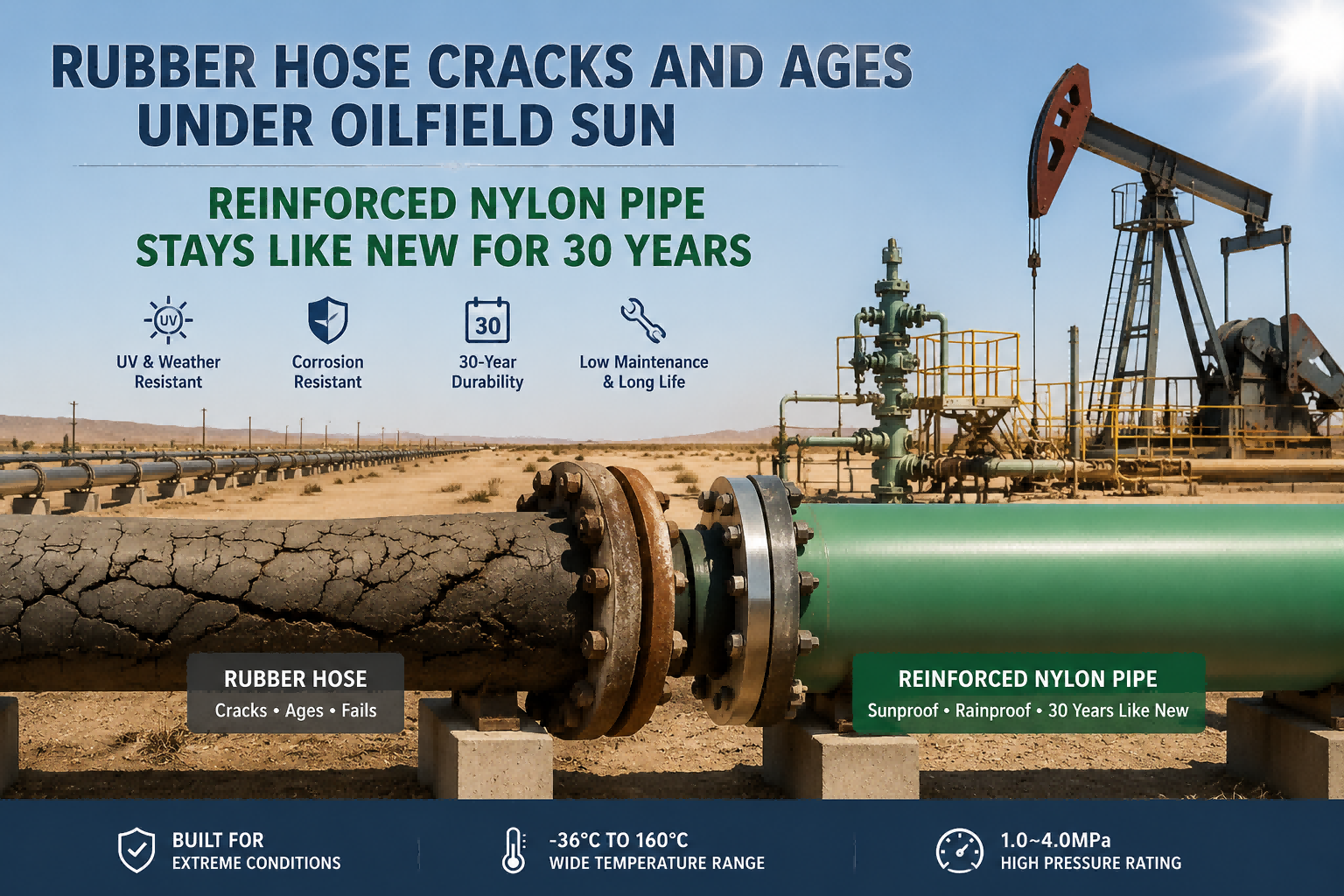
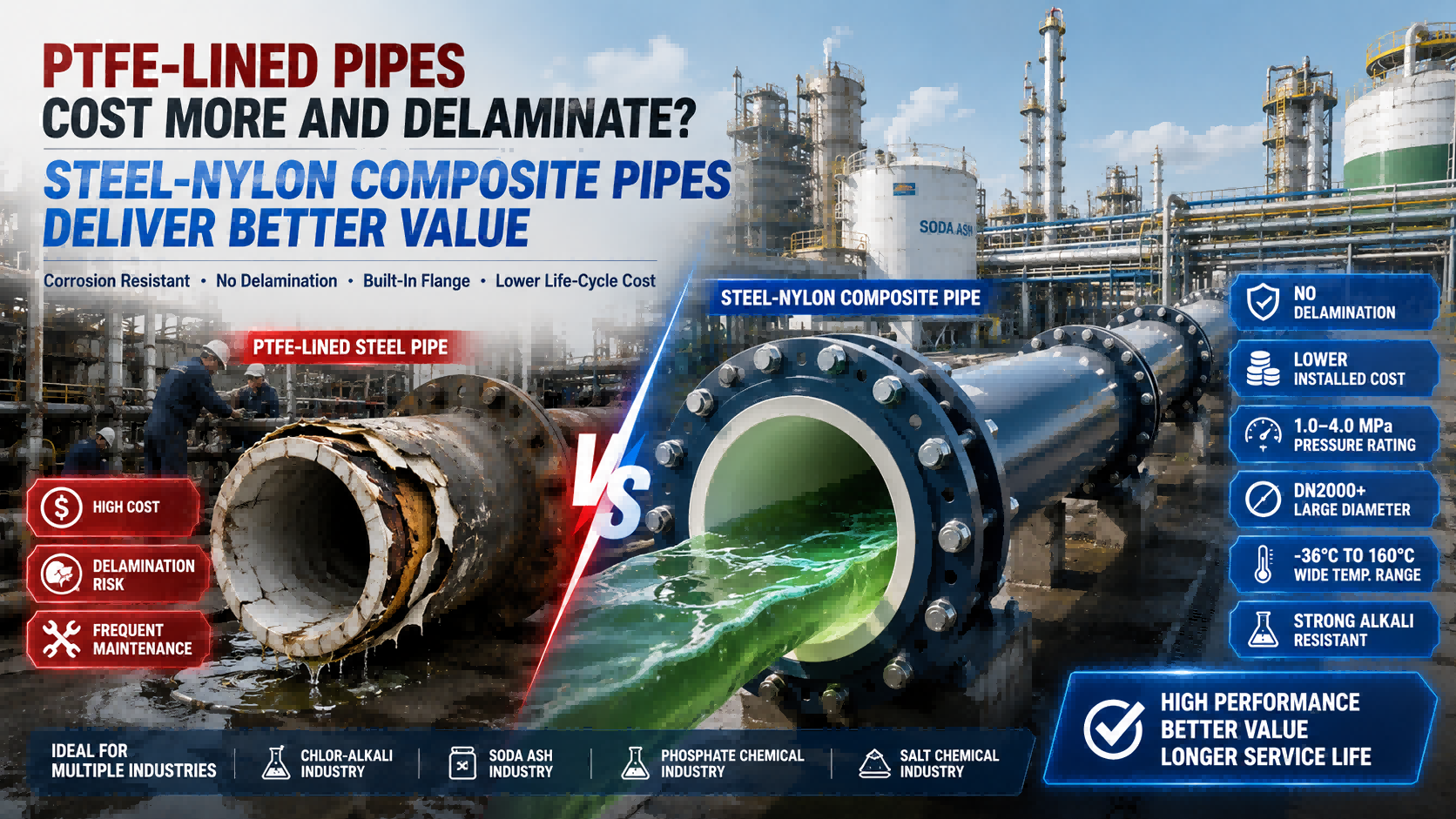
Why Are Reinforced Nylon Tubes So Powerful? — Wide Temperature Range (-36°C to 160°C), Wear & Corrosion Resistance, and Integrated Flanges
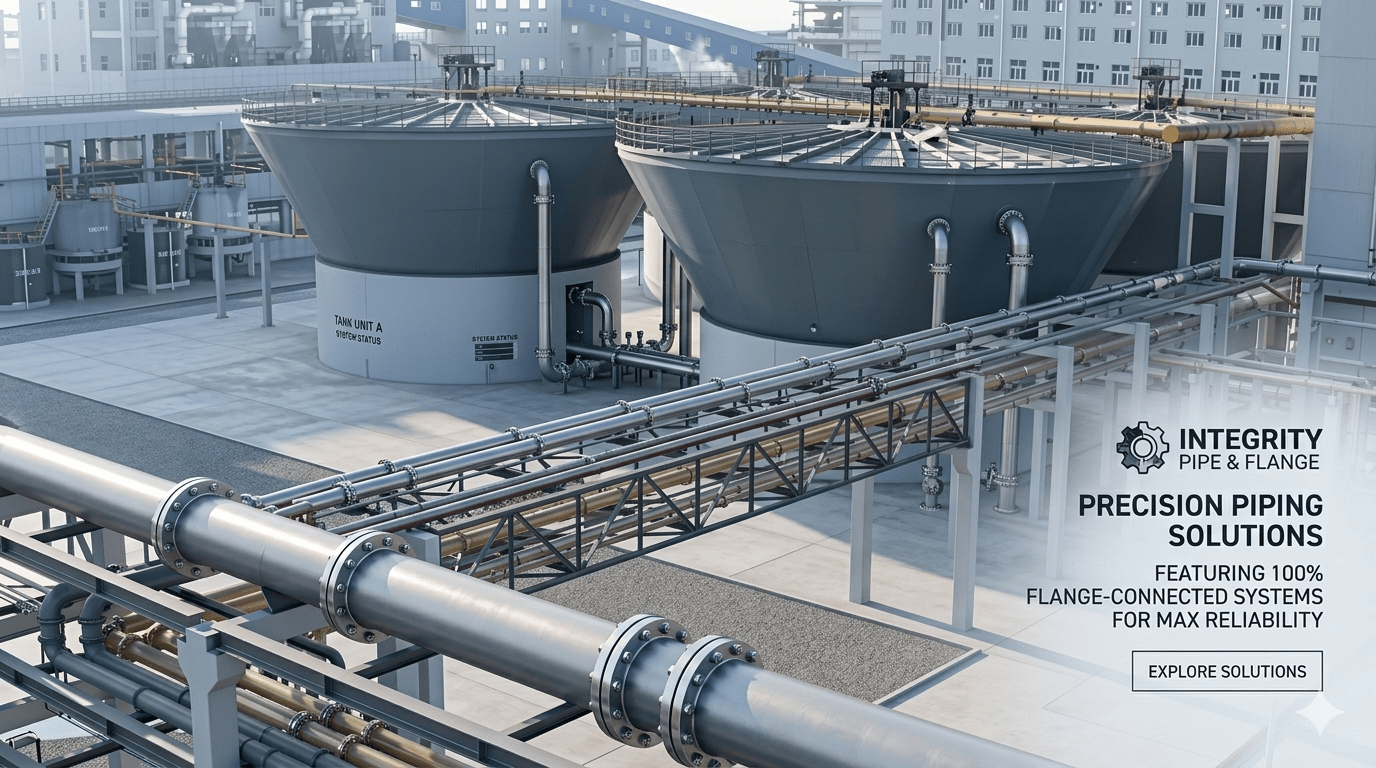
In modern fluid transfer and pneumatic systems, the choice of tubing directly dictates system lifespan, safety, and operational costs. Traditional metal piping systems often suffer from heavy weight, susceptibility to corrosion, and tedious installation. On the other hand, standard plastic tubing frequently falls short when exposed to extreme temperatures or high-abrasion environments.
Among the various solutions available, Reinforced Nylon Tubing stands out as the ultimate "all-rounder" for harsh working conditions. But what exactly makes it so powerful? This article delivers an in-depth analysis of its four core engineering advantages from the perspectives of fluid engineering and materials science.
1. The "Steady Performer" Under Extreme Thermal Cycles: Wide Temperature Range (-36°C to 160°C)
Most polymer materials face severe drawbacks under temperature extremes—either undergoing a glass transition at low temperatures (becoming brittle and prone to cracking) or softening and creeping at elevated temperatures. However, modified reinforced nylon tubing (such as glass-fiber or carbon-fiber reinforced variants) features a highly stabilized molecular chain structure.
-
Low-Temperature Resilience (down to -36°C): In frigid climates or industrial refrigeration environments, reinforced nylon tubing maintains excellent toughness and impact resistance, preventing line bursts caused by vibrations or physical impacts.
-
High-Temperature Stamina (up to 160°C): In automotive engine bays, high-temperature steam lines, or industrial thermal fluid cycles—where ordinary plastics would long have melted—reinforced nylon tubing retains its mechanical strength and rated working pressure even at a heat deflection temperature of 160°C.
This exceptionally wide temperature adaptability makes it the go-to universal tubing across polar climates and extreme thermal processing environments alike.
2. Say No to Wear and Tear: The "Endurance Champion" in High-Abrasion Environments
When conveying media containing solid particles (such as slurry, slag, or pneumatic powders) or when deployed on robotic arms and automated assembly lines subject to constant friction, a tube's wear resistance determines the maintenance cycle.
Nylon (Polyamide) is inherently renowned for its low coefficient of friction and high wear resistance. When reinforced with high-density fibers, its surface hardness and shear resistance improve exponentially.
-
Low Fluid Resistance: The ultra-smooth inner wall minimizes fluid drag and prevents scaling/clogging.
-
External Scratch Resistance: When subjected to mechanical friction or dragging, it resists scratches and micro-cracks, fundamentally eliminating the risk of unexpected blowouts caused by external damage.
3. Immune to Chemical Attacks: Outstanding Corrosion and Media Resistance
Oxidation and acid/alkali corrosion are the ultimate enemies of metal pipes. In contrast, reinforced nylon tubing boasts near-perfect chemical stability thanks to its inert polymer backbone.
| Medium Type | Performance of Reinforced Nylon Tubing | Typical Applications |
| Oils & Fuels | Excellent oil resistance; zero permeation | Automotive fuel systems, hydraulic lines |
| Chemical Solvents | Resistant to most hydrocarbons, alcohols, esters, and weak acids/alkalis | Chemical fluid transfer, spraying equipment |
| Salt Spray & Moisture | 100% immune to moisture and salt spray corrosion | Marine engineering, offshore wind power, humid outdoor environments |
This comprehensive corrosion resistance not only extends equipment service life but also eliminates the risk of downstream media contamination caused by pipe degradation and flaking.
4. Game-Changing Design: The Manufacturing Artistry of Integrated Flanges
If material properties establish the solid "baseline" of reinforced nylon tubing, the integrated flange design elevates its "ceiling" to a masterpiece of industrial engineering.
Traditional tubing connections typically require separate metal flange slips, retaining rings, and gaskets—assembled via welding or threading. This introduces three critical pain points: added weight, multiple potential leak points, and time-consuming installation.
1. True "One-Piece" Zero-Leakage
Integrated flanges are molded or composited in a single step with the tube body through precision tooling during the manufacturing process. There are no joints, seams, or welds between the flange and the tube. This molecular-level continuity entirely eliminates the risk of leaks at connection points caused by vibrations or pressure spikes.
2. Lightweighting & Simplified Installation
-
Weight Reduction: Compared to full-metal flanged connections, the overall weight is reduced by over 60%, drastically lowering the load-bearing stress on structural supports.
-
Plug-and-Play Efficiency: Field installation requires no specialized, high-difficulty welding techniques. Simply align standard bolts and tighten them. This improves installation efficiency by up to 300%.
Conclusion: Why Does Your Next Project Need It?
Reinforced nylon tubing is not just a random combination of features; it is the perfect synergy of materials science (wide temperature, wear/corrosion resistance) and structural engineering (integrated flanges).
Selection Guide:
If your system currently suffers from "traditional metal pipes being too heavy and prone to rust" or "ordinary plastic tubes failing under heat, cold, or friction," then this reinforced nylon tube—combining a
-36°C to 160°C range, high wear resistance, strong corrosion immunity, and integrated flanges—is your ultimate turnkey solution for cost reduction, efficiency, and high-reliability operations.
If you are interested in the performance of our reinforced nylon tubing under specific working pressures (PSI) or require custom integrated flange specifications, please feel free to leave a comment below or contact our application engineers for a technical white paper.
Short Service Life of High-Pressure Oilfield Gathering Pipelines? How Steel–Nylon Composite Pipes Offer a New Solution for Wear Resistance and Pressure Performance